
Inpsyde provides psychological assessment and therapy services for children, adolescents, and adults across Australia.
The practice supports:
– Clients accessing therapy through Medicare Mental Health Treatment Plans.
– NDIS participants who are plan-managed or self-managed
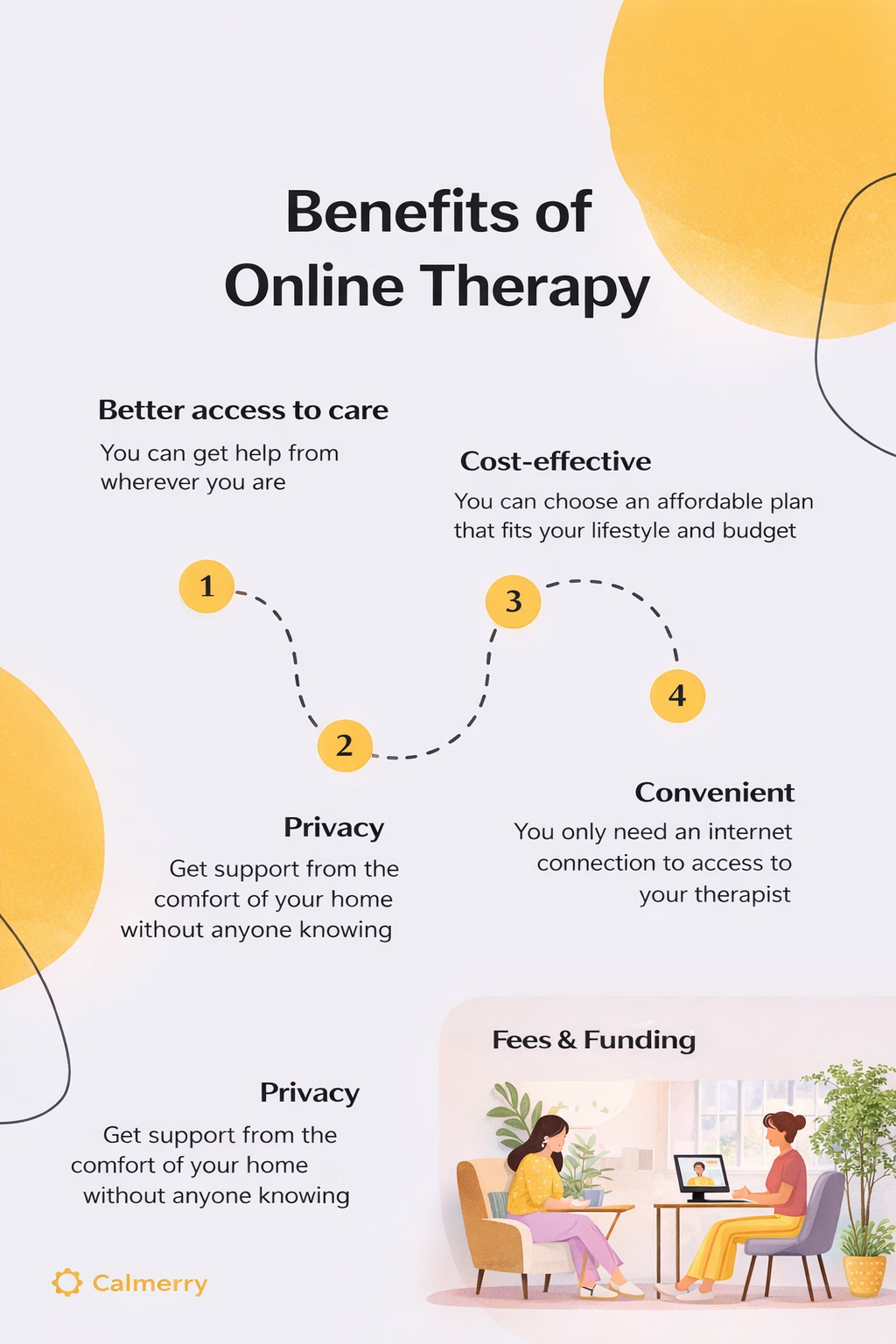
All services are delivered via telehealth, offering flexibility and accessibility regardless of location. Sessions are conducted through secure video conferencing or by phone, depending on individual needs and preferences.
To support transparency, continuity of care, and ethical practice, Inpsyde uses:
- Halaxy for secure bookings, communication, and practice management
- NovoPsych and NovoNote AI for standardised assessment tools and clinical documentation (opt-out option available for clients, please check with your practitioner at the time of booking)
The Process:
Assessment
Assessments at Inpsyde are transparent, collaborative, and grounded in a neuroaffirming, trauma-informed framework. Rather than focusing narrowly on symptoms, time is taken to understand the whole person, their inner world, strengths, challenges, and the environments and systems they move through.
Assessments may be sought for:
- Formal diagnosis to support access to services (such as NDIS, education, or workplace adjustments)
- Personal understanding and self-clarity, particularly after a lifetime of feeling “different” or misunderstood
In all cases, assessment integrates evidence-based tools with cultural responsiveness, lived experience, and clinical judgement. Clients are kept informed throughout the process and are actively involved in decision-making. The aim is to develop a clinical understanding that reflects who the person truly is — not who systems expect them to be.
Assessments
Assessments at Inpsyde are transparent, collaborative, and grounded in a neuroaffirming, trauma-informed framework. Rather than focusing narrowly on symptoms, time is taken to understand the whole person, their inner world, strengths, challenges, and the environments and systems they move through.
Assessments may be sought for:
In all cases, assessment integrates evidence-based tools with cultural responsiveness, lived experience, and clinical judgement. Clients are kept informed throughout the process and are actively involved in decision-making. The aim is to develop a clinical understanding that reflects who the person truly is — not who systems expect them to be.
The Assessment Process
Assessments at Inpsyde follow a structured yet flexible process that prioritises transparency, collaboration, and care. The process begins with an initial 30-minute consultation to understand concerns, clarify goals, and identify the most appropriate assessment pathway. This is followed by a clinical interview exploring developmental history, strengths, challenges, and lived experiences. With consent, collateral information may be gathered to support a fuller understanding. Standardised tools are then selected based on age and context to support clinical understanding. All information is integrated through a neuroaffirming, trauma-informed, and culturally responsive lens. Findings are shared in a feedback session, followed by a written report, with optional follow-up support available as needed.
Autism Assessments
Autism assessments at Inpsyde are designed to understand how each person experiences, interprets, and navigates the world. Assessment focuses on strengths, communication styles, sensory experiences, relationships, and functional impacts across environments. Tools are selected based on age, communication style, and context, and are interpreted through a neuroaffirming, trauma-informed, and culturally responsive lens.
Autism Assessments for Adults
Monteiro Interview Guidelines for Diagnosing the Autism Spectrum – Second Edition
A strengths-based, sensory-informed interview that centres the adult’s lived experience. The format is adapted based on verbal fluency and communication preferences.
Ritvo Autism Asperger Diagnostic Scale – Revised
A self-report measure exploring lifelong autistic traits across social, sensory, and cognitive domains.
Camouflaging Autistic Traits Questionnaire
Explores masking and camouflaging strategies often used by autistic adults, particularly relevant for late-identified individuals.
Narrative input from partners or family members (with consent) to provide contextual understanding of relational and everyday functioning. These are qualitative rather than standardised and are used to enrich clinical understanding.
Used to explore co-occurring anxiety or emotional distress that may interact with autistic traits.
Assess functional impact and quality of life, supporting a holistic understanding beyond diagnostic criteria.
Autism Assessments for Children and Adolescents
Adapted based on verbal or non-verbal fluency, using developmentally appropriate and sensory-informed methods to understand the child’s experience.
A standardised questionnaire exploring social communication patterns across settings.
Assesses everyday adaptive functioning, including communication, socialisation, and daily living skills.
For clients based in Melbourne, observations may take place at home or school, depending on convenience and appropriateness. These observations support understanding of communication, regulation, play, and interaction in familiar environments.
Used where relevant to understand emotional experiences alongside neurodevelopmental traits.
Used to understand functional impact and wellbeing.
ADHD Assessments
ADHD assessments at Inpsyde explore attention, regulation, and executive functioning across time and environments. The focus is on understanding how ADHD traits show up in daily life, relationships, learning, and work — not simply identifying symptoms.
ADHD Assessments for Adults
Diagnostic Interview for ADHD in Adults
A structured clinical interview exploring ADHD traits across childhood and adulthood.
Conners’ Adult ADHD Rating Scales
Self- and observer-report questionnaires assessing attention, impulsivity, executive functioning, and functional impact.
Explore planning, organisation, working memory, time management, and emotional regulation in everyday contexts.
Used to understand co-occurring anxiety or mood-related concerns that may influence attention and regulation.
Provide insight into daily functioning and quality of life.
ADHD Assessments for Children and Adolescents
Parent, teacher, and (where appropriate) self-report measures assessing attention, hyperactivity, impulsivity, emotional regulation, and executive functioning.
Support understanding of attention and regulation in everyday contexts.
Explore skills such as organisation, emotional regulation, task initiation, and working memory.
Used to understand emotional experiences that may overlap with or influence ADHD presentation.
Used to explore functional impact and wellbeing.
How These Tools Are Used
Assessment tools at Inpsyde are never used in isolation. Findings are integrated with:
The goal is to develop a clear, respectful, and meaningful understanding that supports self-knowledge, access to appropriate supports, and practical next steps.
Therapy
Therapy at Inpsyde is a space to slow down, feel understood, and make sense of what’s happening beneath the surface. The work is grounded in collaboration, care, and respect for individuality, recognising that no two people arrive with the same story, needs, or pace.
A neuroaffirming and culture and trauma-informed approach guides all therapy, with attention given to each person’s strengths, values, and lived experience. Support may be short-term or ongoing, and sessions are shaped to feel safe, flexible, and responsive — allowing therapy to unfold in a way that feels sustainable.
How Therapy Works
Personalised and evidence-based
Therapy with Inpsyde draws from approaches such as Cognitive Behavioural Therapy (CBT), Acceptance and Commitment Therapy (ACT), play-based methods, and strengths-focused frameworks. The focus is on adapting the work to how each person thinks, learns, and communicates, rather than expecting the person to adapt to the model.
Neuroaffirming and trauma-informed
Emotions, behaviours, and coping strategies are understood in context — as meaningful responses shaped by experience. Therapy prioritises emotional safety, autonomy, and choice, with care taken to avoid pathologising differences.
Collaborative and transparent
Therapy is a shared process. The purpose behind strategies and interventions is explained clearly, and regular check-ins ensure the work continues to align with what feels helpful, relevant, and respectful.
Culturally responsive and informed by lived experience
Practice is shaped by experience across India, Ireland, and Australia, alongside lived experience of neurodivergence. This allows space for conversations about culture, identity, belonging, and difference, particularly for those navigating multiple worlds.
Practical and forward-focused
Insight matters, but so does what happens outside the session. Therapy supports the development of tools, strategies, and ways of relating that can be carried into daily life — supporting meaningful, lasting change.
Working With Children and Families
For children, therapy often incorporates play-based and experiential approaches that support expression, emotional regulation, and connection. Work with young people is collaborative and may include parents, caregivers, and schools where appropriate, with the aim of creating environments that are supportive, inclusive, and responsive to the child’s needs.
Fees & Funding
Therapy Sessions
NDIS (Plan-managed and self-managed)
Fee per session: $232.99 (in line with the current NDIS Price Guide)
All therapy sessions are delivered via secure telehealth and are offered by video or phone.
Assessments
This fee covers the core components of the assessment process, including intake, clinical interviews, standardised tools, analysis, feedback, and a written report.
Additional assessment hours: Charged at $220 per hour, where required
- Complex or layered presentations
- Extended interviews or collateral consultation
- Additional scoring, interpretation, or reporting
Where a presentation is particularly complex, consultation with an external clinical supervisor may be recommended. Any additional costs related to this will always be discussed transparently at the time of booking, before proceeding.

Accessibility and Reduced Fees
Low-cost and bulk-billing options may be available upon request, with consideration given to client vulnerability and individual circumstances. Clients are encouraged to enquire if cost is a barrier to accessing support.

Book a doctor's appointment
Tempor commodo ullamcorper a lacus vestibulum sed arcu non. Eu ultrices vitae auctor eu augue ut consequat.
